

Do you ever have a moment where something small annoys the ever-living crap out of you? And do you ever wonder why it annoys you so much? Literally, same. It’s so frustrating because I feel like I should be able to handle things differently, especially with so much “healing” under my belt. But, here we are.
Like when someone loads the dishwasher completely wrong, and instead of letting it go, you reload it later while quietly muttering about how you’re the only competent adult in the house. Or when you’ve been trying to save money and someone casually suggests going out to eat, as if your budget is just a fun little suggestion. Or when you’re absolutely drained and just want someone (anyone) to notice… but instead, they launch into a detailed recap of their day while you slowly dissociate.
These moments can feel so frustrating. And not just because of what’s happening on the surface. It’s something deeper, like you’re the only one paying attention, the only one trying, or the only one holding a certain standard.
And that’s the thing about expectations, they’re rarely just about the moment we’re in. They usually come from somewhere else. Somewhere older. And they show up in these invisible rules we carry in our heads about how other people should act, often without ever saying them out loud.
So when someone doesn’t meet those rules, it doesn’t feel like a simple oversight. It feels personal. It feels like they don’t care. But what if they never knew the rule existed in the first place?
That’s where miscommunication really begins, not in what we say, but in what we assume.

Where Our Expectations Begin
For a while, it felt like assumptions were wrecking every other weekend for me. (I could’ve picked from a long list of days assumptions have ruined, but let’s not spiral.)
I’d go into them with a full plan in my head, things I wanted to get done, moments I hoped we’d have as a family, a few little joys I pictured for myself. Maybe we’d hit up some garage sales, grab coffee together, get the house reset, maybe even have a family movie night. It wasn’t anything huge. Just a vision of how I thought it would go.
But then Sunday night would roll around, and none of it had happened. And I’d be upset. I’d go quiet, and I wasn’t exactly warm to be around.
Josh would ask what was wrong, and I’d say, “Nothing. I’m fine.” As you can correctly assume here, I wasn’t fine.
Eventually, because he’s persistent and he loves me, he got it out of me. I told him what I had hoped the weekend would look like. That I thought we’d spend more time together. That I felt like I carried the weight of everything. That I was angry, even.
And he just looked at me and said, “Why didn’t you tell me? I can’t read your mind.”
It wasn’t the first time he’d said that to me. But it was the first time I really heard it.
That was the moment something clicked. I’d been walking around with all these silent expectations, about how I wanted things to go, how I wanted to feel, what I needed, and I was waiting for someone else to figure them out without me ever saying a word.
And when they didn’t, I saw it as a lack of care. But the truth was, I never gave anyone a chance to show up for me.
That moment made me ask a deeper question: Why didn’t I say what I wanted in the first place?
And that’s where things got a little more complicated.
Why We Keep It All Inside
Once I realized I wasn’t speaking up about what I wanted, I had to ask myself why. Why was it so hard to just say, “Hey, here’s what I was hoping for this weekend”? And the truth is, it wasn’t really about the weekend. Or the chores. Or even the coffee and garage sales.
It was about something that happened way before that.
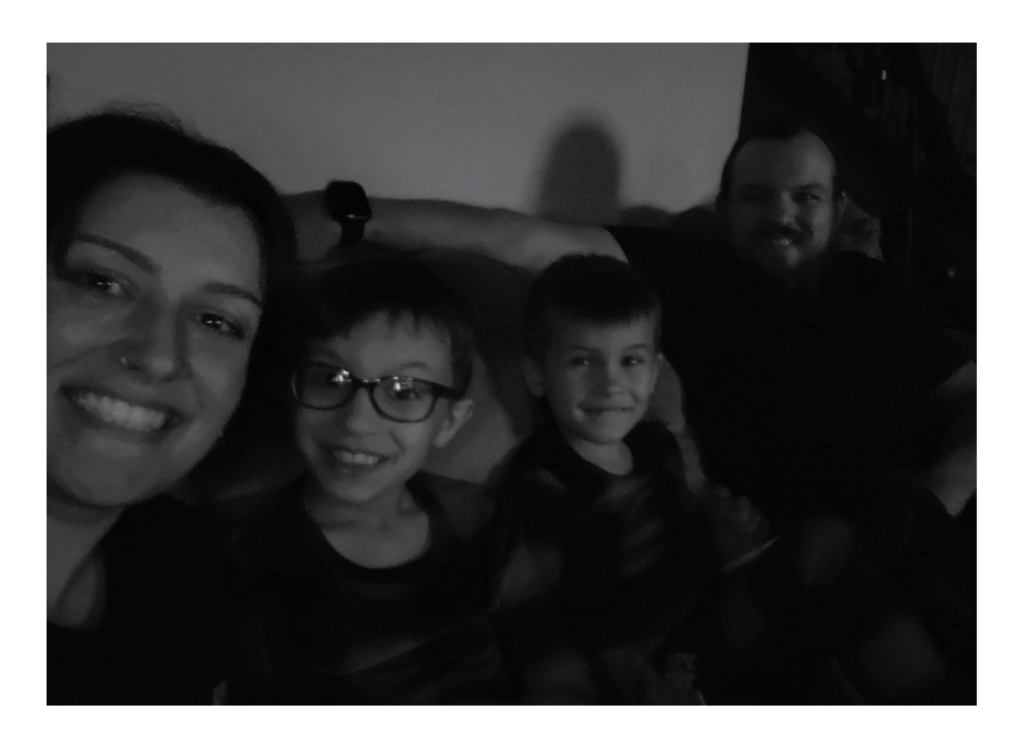
Somewhere along the way, I learned it was safer not to want things out loud. That if I asked for something and didn’t get it, it would hurt more than if I just kept quiet. I convinced myself it was easier to manage disappointment privately than to risk hearing “no,” or worse, being ignored or belittled.
And like a lot of us do, I carried those old beliefs into adulthood. I didn’t question them. I just kept doing what I always did and hoped people would notice what I needed without me having to say it.
I also realized I had a whole set of expectations for myself that I never really examined. Things like:
- Don’t be too needy
- Don’t ask for help unless it’s absolutely necessary
- Handle it. Figure it out. Keep it together.
I didn’t believe I was allowed to want things, in a sense, at least not ones that required saying out loud. But that didn’t stop me from wanting things. It just meant I kept hoping the people around me would notice, without me having to ask. That they’d sense I was tired, or know what kind of weekend I was hoping for, or just read the room. Because if they could just get it, I wouldn’t have to risk being too much or asking for too much.
Looking back, I can see I was holding other people to a standard I didn’t even question because I was already holding myself to it. I didn’t think I was allowed to need more, so I subconsciously assumed no one else should need more from me either.
And honestly, that mindset didn’t just affect my personal mood. It also shaped how I reacted when someone else spoke up about what they needed. It felt uncomfortable, sometimes even frustrating, when someone was clear and direct about their wants, because I hadn’t learned how to do that for myself. If I had to bottle everything up and “handle it,” why didn’t they?
But that reaction wasn’t really about them; it was a reflection of what I still hadn’t healed in myself. Because, of course, it always comes back to me. Love that.
Take a minute and think about a time you felt let down or frustrated with someone.
What were you hoping they’d do?
Did you tell them?
And if not… why not?
It’s not always easy to catch ourselves in the middle of an assumption, but awareness is where change starts. I’d love to know what this stirred up for you, or what you’re starting to notice now that you’re paying attention.
Let’s keep unraveling this together.
With love & light,
Jessica ♡
 Unraveling the Self
Join the conversation