

When people ask why I homeschool, I usually say the simple thing, like my kids are super smart. Which is true. They learn fast, sometimes ridiculously fast. We can fly through a subject in a day, but we can also slow way down for others, or even set something aside and come back to it later. That’s a freedom you just don’t get in a classroom.
But honestly, that’s not the main reason I homeschool. The real reason is that I want to know my kids on a level you just can’t when their day is split between a bus, a desk, and homework at the kitchen table.
Because kids are deep. Emotionally deep. Way deeper than we give them credit for.
When a child is squirming in their seat or staring out the window during math, the easy assumption is, “They’re not paying attention.” But there’s almost always a reason. Maybe they didn’t move enough that morning. Maybe their sugar crash from breakfast is hitting hard. Maybe their brain is processing something big that they can’t even put into words.
And adults make it worse sometimes (actually, a lot of the time). Even if a kid knows why they feel a certain way, and they normally don’t, we expect them to fix it instantly.
“Oh, you’re tired because you stayed up too late? Well, stop being tired and focus.”
“Oh, you’re cranky because you had too much sugar? Well, stop being cranky and calm down.”
That’s not how it works for us, and their brains are still under construction. Imagine you’re driving on the highway and someone cuts you off out of nowhere. You slam on your brakes, you’re pissed, and then your spouse looks at you and says, “Oh my god, calm down, you’re fine.” Would that help? Yeah… didn’t think so. You can’t change your emotions in a split second, and it’s definitely not fair to expect that from kids.
This morning was a perfect example. We’re trying to get Bill’s sleep schedule back on track because he’s been staying up late. I woke him up early, thinking, Cool, he’ll be tired tonight and go to bed on time. I didn’t stop to think about what that early wake-up might do to today.

It hit during spelling. Before we even opened the lesson, Bill groaned, “I don’t want to do spelling. I never want to touch spelling again.”
In a classroom, that probably starts a power struggle. He might’ve been sent to the safe seat, lost recess, or been forced to sit there until he “finished.” But at home, I can pivot.
I said, “Okay, no spelling. Let’s do math or reading instead.” And then came the waterworks. Not a dramatic tantrum, this was a soft, sad, confused cry that told me something was really off.
That’s when it hit me, he’d had less sleep than usual, duh. His little brain was running on fumes, and here I was trying to get it to do backflips.
So I switched gears. “Let’s play a fun educational game, and maybe we’ll read later.” That worked… for about ten minutes. Then the game got tricky, and he shut down again.
Instead of forcing him, I pulled him into my lap, let him cry for a minute, and said, “You got up really early today. That can make us a little emotional sometimes. Let’s just have a mental health day. You can play Minecraft for a while, even though we didn’t get through school today.”
He gave me a little sniffle, a big hug, and said, “Thank you, Mom.” Thirty minutes later, he wandered out of his room and said, “I’m sorry about school. I don’t know why it was making me so upset.”
I know some parents reading this might think, You’re giving in. You’re spoiling him. But that’s not what’s happening. Schoolwork is non-negotiable here. It will get done. Maybe not today, maybe not in the order I planned, but it happens. And mental health days here are rare. Maybe once every three or four months.
What they do do is teach something else: self-awareness. They learn that sometimes you push through, sometimes you pause. And when the pause is over, they usually re-engage with their lessons more willingly.

That’s the kind of attention I can give at home that a teacher with 25 students simply can’t. Because I spend so much time really seeing them, I know when they’re acting out and when they’re overwhelmed. I can shift gears immediately and meet them exactly where they are, whether it’s a tricky lesson or a big emotion.
The “core” subjects still get done. Honestly, math and reading rarely take more than 30 minutes a day for us. The rest of the time is a mix of science experiments in the kitchen, answering the hundreds of random questions they throw at me (some I can answer, some I shamelessly Google), documentaries, trips to the library, educational video games, and lots of reading.
But underneath it all, what we’re really doing is teaching them how to learn. How to notice their feelings, understand them, and navigate them in ways that build confidence instead of shame.
Because every kid is more than their outburst, more than their restlessness, more than a “bad day.” And if you give them space to figure that out, sometimes through a mental health day, sometimes through a question, sometimes through a guided lesson, they’ll surprise you. They’ll show you what they’re capable of, emotionally and academically.
I know homeschooling is a privilege. Not everyone has the option, and I don’t take it for granted. But you don’t have to homeschool full-time to connect with your kids emotionally, notice what’s really going on, and help them build confidence. Even if you only spend a few hours a day with your kids, you can create small, meaningful moments. Pause when they’re frustrated. Ask questions instead of giving answers immediately. Notice when they’re struggling emotionally, and name it out loud: “You seem really upset right now. Want to tell me about it?” Celebrate the moments when they push through challenges. Give them space when they need to reset.
One thing I want to be honest about: if you try to start this with an emotionally immature nine-year-old, don’t expect quick results. This works best when it’s started as soon as kids can understand you (as toddlers) and continues throughout their childhood. Kids change constantly, and you have to be present, no matter how hard it is, no matter how much patience it requires. And trust me… it’s a lot.
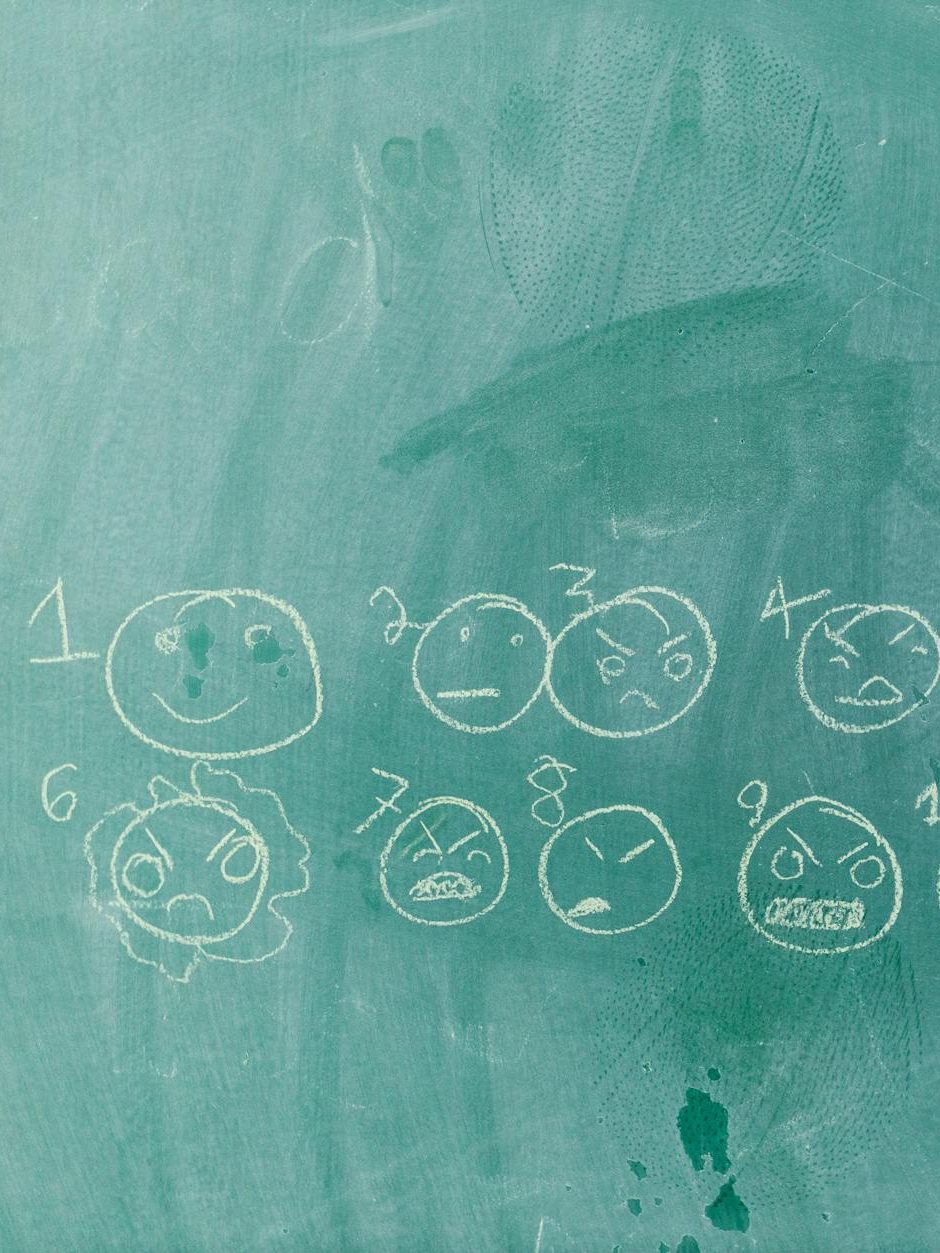
It’s these little gestures, repeated over time, that help kids recognize and understand their own feelings. That teach them that they can face a tough problem, handle big emotions, and still come out the other side with confidence. Whether you homeschool or just share a few hours a day, you can meet your kids where they are, and in doing so, help them see themselves in a whole new light.
And that’s why I homeschool. To raise kids who understand themselves, grow into emotionally mature adults, and leave a positive mark on the world.
With love & light,
Jessica ♡
 Unraveling the Self
Join the conversation