

I’ve struggled with depression and anxiety for a long time. I always wondered why I couldn’t hold on to happiness like others seemed to. It felt like something was wrong with me, like I was missing some secret everyone else had figured out, until I realized I was chasing something impossible. No one is—or ever will be—happy 24/7.
This hit me toward the end of a depressive episode. I woke up with a mountain of chores, kids begging for food and attention, stress about an upcoming playdate, and a grocery order to pick up. Halfway through that chaotic day, none of us were having fun. The kids were melting down. I was on the verge of a panic attack. What I was doing wasn’t serving us.
That night, I decided to journal. I didn’t journal often at the time, but I needed to get the thoughts out of my head. Three pages later, I realized that I was setting myself and my kids up to be stressed. I was planning our days around things I thought would make us happy. But happiness isn’t what I really wanted. Sure, happiness feels amazing, but what I craved every single day was peace.
Peace. That word we associate with Buddha or Miss America’s go-to wish. But peace isn’t some distant, mythical concept reserved for monks on mountaintops or people with color-coordinated pantries. It’s accessible, right here in the middle of our messy, chaotic, beautiful lives. It’s actually attainable.
This ties into mindfulness, they’re almost interchangeable. Mindfulness helps keep us grounded, creating a foundation for consistent peace. (I’ve written a post about simple steps to start being mindful, which I’ll link here.) Mindfulness isn’t about perfection; it’s about presence. It shifts our focus from chasing fleeting moments of happiness to cultivating a steady sense of calm, no matter what’s happening around us.
1. Shift Your Expectations: The “Not Perfect” Mindset
The first step is recognizing that peace doesn’t require a perfect life. The pressure to “get it all right” is often what leads to burnout and anxiety. Start by gently adjusting your expectations. Instead of expecting everything to go according to plan, begin to acknowledge that life is chaotic, and that’s perfectly fine. You’re allowed to not have it all together.
Exercise: The next time you face a stressful situation, take a step back and remind yourself that it’s okay to be imperfect. Pause, breathe, and tell yourself, “This moment does not define my worth.”
This also piggybacks off my post about finding happiness in the now. There, I explored how embracing the present moment can help us connect with happiness. But here, we’re taking it a step further, beyond happiness, toward something even more lasting: peace.

It also goes along to the trend of “romanticizing your life.” You know, those aesthetic TikToks of someone hand-washing dishes, folding laundry, sipping coffee out of a pretty mug while their kids play in the background. Watching it feels soothing, almost peaceful. But doing it? That’s when the stress kicks in. Why? Because we don’t have an emotional connection to their mess. Their cluttered kitchen is just a messy kitchen. Ours feels like a personal failure.
But what if it didn’t have to? What if we just saw a messy kitchen, cleaned it, and moved on… no self-judgment required? I know it sounds simple, maybe too simple. But it’s possible. The key isn’t avoiding the mess; it’s changing the story we tell ourselves about it.
Instead of seeing a messy kitchen as a symbol of failure or laziness, what if it’s just… a messy kitchen? A sign that life is happening, that meals were made, that people live here. When we shift from “I’m failing because my house is a mess” to “I’m living, and messes come with that territory,” we take away the emotional weight. It’s not about ignoring the mess. It’s about removing the narrative that makes it feel like a burden. A dish isn’t a moral failing. A pile of laundry isn’t a character flaw. They’re just tasks, not reflections of our worth.
2. Embrace Acceptance: Stop Fighting the Flow
One key way to cultivate peace is by learning to accept things as they are in the present. Often, we fight against what’s happening—resisting messy kitchens, stressful deadlines, or difficult emotions. But acceptance doesn’t mean giving up or resigning yourself to a life of chaos. It means acknowledging the situation without judgment, and then deciding what action—if any—needs to be taken.
Exercise: The next time you feel overwhelmed by a situation, practice mindfulness by tuning into your feelings. Notice where you’re holding tension in your body, and consciously relax those muscles. Accept the present moment as it is, without trying to change it immediately. Just let it be.

And this mindset isn’t just about chores. It applies to everything from that paper you’ve been dreading to write, to the presentation looming over you at work, to the errands piling up on your to-do list. Even the tiny day-to-day tasks that seem insignificant can carry an unnecessary emotional weight if we let them. But they’re not reflections of who we are, they’re just things to do.
Happiness is often tied to external circumstances—good laughs, exciting achievements, beautiful days. It’s temporary. When it fades, we wonder what went wrong. Peace isn’t like that. It’s not about external highs. It’s about creating a steady, grounded sense of well-being that doesn’t vanish when life gets messy.
3. Reframe Your Thoughts: The Power of Language
The way you speak to yourself shapes your reality. Instead of framing your situation as “I’m failing” when you’re faced with a mess or overwhelming task, try reframing it as, “This is part of the process” or “This is just a task, not a reflection of me.”
Exercise: Keep a small journal of your inner dialogue for a day. Write down moments when you felt overwhelmed or self-critical, and then rewrite those thoughts with a kinder, more neutral tone. Over time, this shift in language helps you develop a more peaceful mindset.
Peace doesn’t demand perfection. It exists even when things aren’t perfect. It’s the deep breath you take when your day goes sideways. It’s the quiet acceptance that you can’t control everything, and that’s okay. It’s sitting with your feelings without rushing to fix them. Unlike happiness, peace isn’t loud. It doesn’t throw confetti or shout from the rooftops. It’s soft, understated, and incredibly powerful.
4. Cultivate Mindfulness: Being Present in the Now
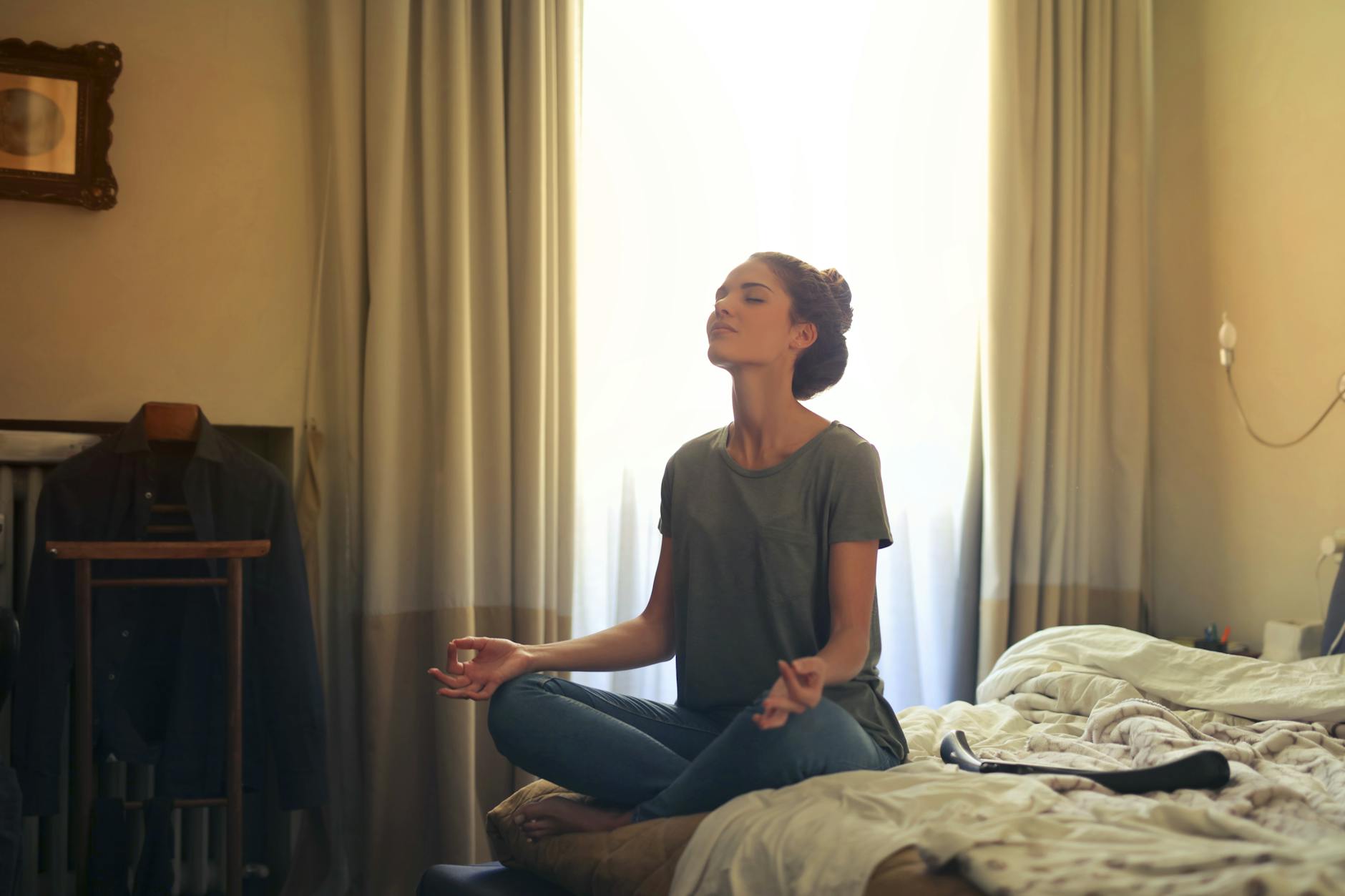
Mindfulness is the practice of being present in the moment without judgment. It’s the foundation of peace. By focusing on the present instead of stressing about the past or future, you can shift your energy to what’s in front of you. And peace thrives when we’re grounded in the present.
Exercise: Set aside five minutes each day to practice mindfulness. Sit quietly, breathe deeply, and pay attention to your surroundings. If your thoughts wander, gently bring them back to your breath. With regular practice, this habit helps you anchor your mind in peace, no matter what’s going on around you.
I used to believe that if I could just find the right combination of life choices, I’d unlock endless happiness. But life doesn’t work that way. Bad days happen. Stress creeps in. Disappointments are part of the deal. When I shifted my focus from chasing endless happiness to cultivating peace, something changed. I stopped trying to “fix” every uncomfortable emotion. I realized I could feel sad, anxious, or overwhelmed, and still be okay.
5. Let Go of Control: Peace in Surrender
One of the biggest sources of anxiety is trying to control everything around us. Life is unpredictable, and peace comes when we stop trying to control every outcome. Surrendering doesn’t mean being passive, it means trusting that things will work out as they should, even when they don’t go as planned.
Exercise: When you feel the urge to control something, pause and ask yourself, “What am I really afraid will happen if I let go of control here?” Acknowledge that fear, and then remind yourself that it’s okay not to have everything in your grasp at all times. Sometimes, the best thing you can do is release the need for control.
Striving for peace means embracing life’s ebb and flow without fighting against it. It’s finding contentment in the present moment, even when it’s not perfect. It’s about responding with grace instead of reacting with panic.
So no, I’m not chasing happiness anymore. I’m creating peace, in my mind, my heart, and my life. What’s crazy is, the more peace I find, the more genuine happiness shows up on its own.
You don’t have to chase peace. You just have to stop long enough to notice it.
With love & light,
Jessica ♡


Join the conversation