

When I first started my weight loss journey, I was laser-focused on cutting calories, exercising more, and making healthier choices. I made sure to eat some protein, but honestly, I wasn’t paying attention to how much I was getting. The idea of hitting a specific protein goal wasn’t even on my radar. It wasn’t until my husband started asking me a question that became a constant: “How much protein have you had today?”
Now, for context—my husband is… let’s say, very passionate about protein. I’m pretty sure if you asked him what his favorite food is, he’d answer, “Protein.” Not a specific dish, just protein in general. If there’s a conversation about anything health-related, he’ll somehow manage to bring up how protein is the solution. And it’s not just a casual mention; it’s with the kind of enthusiasm you’d expect if he were giving a TED talk on the subject.
At first, I shrugged it off. I mean, I wasn’t trying to bulk up, right? But then, as I complained more about feeling tired or constantly running on fumes, he’d ask again, “Did you get enough protein?” So, after hearing this question for the umpteenth time, I did what any skeptical person would do—I started researching.

What I found surprised me. It wasn’t just about building muscle. Protein plays a huge role in supporting brain health and mood regulation. I had always focused on the obvious, losing weight and staying active, but I wasn’t giving my brain what it needed to function at its best. Turns out, protein is absolutely essential for more than just physical recovery; it’s crucial for mental clarity, mood stability, and overall cognitive function.
Let’s dive into why protein is so important for your brain. Protein is made up of amino acids, which are the building blocks of nearly everything in our bodies, from muscles to neurotransmitters in our brain. These neurotransmitters (like serotonin, dopamine, and norepinephrine) are responsible for regulating our mood, energy, focus, and even our sleep. When we don’t get enough protein, these neurotransmitters can’t function properly, leading to brain fog, irritability, and even feelings of anxiety or depression.
But that’s not all. Protein also plays a big role in stabilizing blood sugar levels. When your blood sugar spikes and crashes, it can leave you feeling sluggish, moody, and craving snacks just to keep your energy up (remember that little tangent we went on two weeks ago?). By stabilizing blood sugar, protein helps prevent those dreaded afternoon crashes that can wreck your focus and energy levels. Protein helps balance things out, keeping you fueled without the sugar rollercoaster.
Incorporating enough protein doesn’t mean you have to start blending raw eggs into your morning smoothie (though I’m sure my husband would support that). So, how do you incorporate more protein into your diet without going overboard on calories or becoming a protein shake fanatic? Here are some easy swaps and simple ideas:

- Greek yogurt: This is an easy way to sneak in extra protein. A cup of Greek yogurt has around 15-20 grams of protein, and it’s versatile enough to add to your breakfast or have as a snack.
- Nuts and seeds: They’re crunchy, satisfying, and packed with protein. A handful of almonds or sunflower seeds can give you a nice boost without loading up on calories.
- Lean meats: Whether it’s extra chicken in your salad or a little more steak on your plate, lean meats are a great protein source. Adding more to your meals doesn’t have to be complicated.
- Cottage cheese or string cheese: These are protein-packed snacks that are quick, easy, and surprisingly filling.
- Beans and lentils: Toss them into soups or salads. They’re not only high in protein but also fiber, which is great for keeping you full and satisfied.
- Protein bars or shakes: For those busy days, having a protein shake or bar on hand can save you from that dreaded “hangry” feeling. Look for ones with minimal sugar and added nutrients.
If you’re overwhelmed by the idea of tracking every gram of protein (I hear you!), just start by making small changes. Aim to add a protein source to each meal—nothing drastic, just a little more protein here and there. Over time, those small adjustments will make a noticeable difference in how you feel.
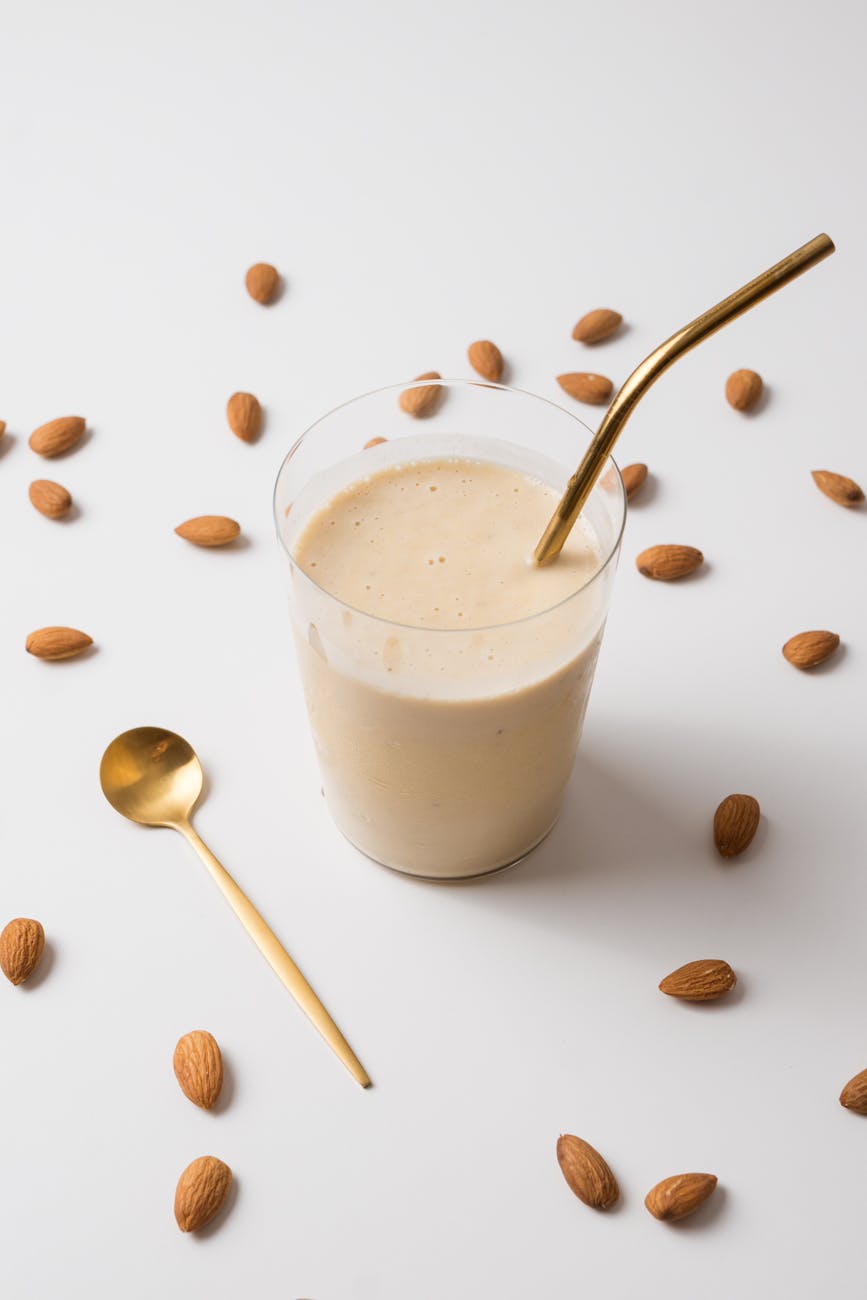
Protein isn’t just for the gym, it’s essential for brain function, energy levels, and mood stability. By paying a little more attention to your protein intake, you’re helping your body and mind function at their best. Next time you’re about to reach for a snack, think about adding some protein into the mix. Your brain will thank you for it.
How do you incorporate protein into your diet? Have you noticed a difference in your mood or energy levels? I’d love to hear about your experience in the comments!
And don’t forget to join me next week as we wrap up our Mood & Food Series with an article on hydration. It’s a key piece in feeling your best, and we’ll be diving into why it matters.
With love & light,
Jessica ♡
 Unraveling the Self
Join the conversation